Physical Address
304 North Cardinal St.
Dorchester Center, MA 02124
Physical Address
304 North Cardinal St.
Dorchester Center, MA 02124

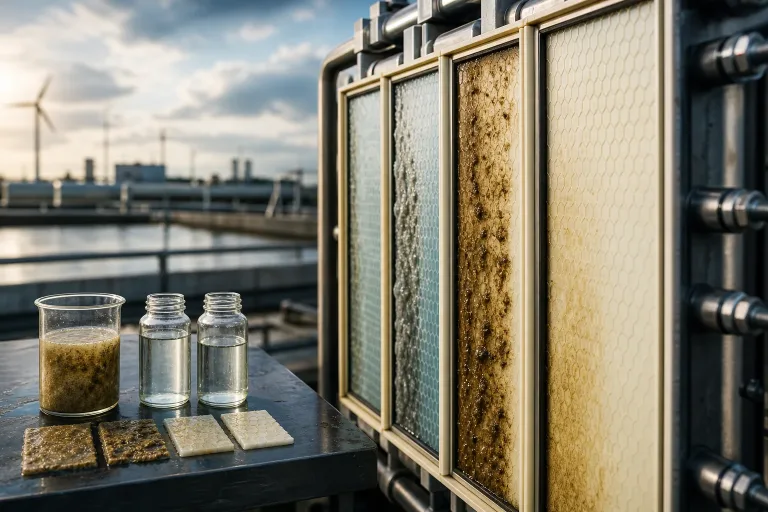
Discover how to differentiate membrane fouling from ageing in Reverse Electrodialysis systems to improve maintenance decisions and extend membrane life in brine and industrial pilots.
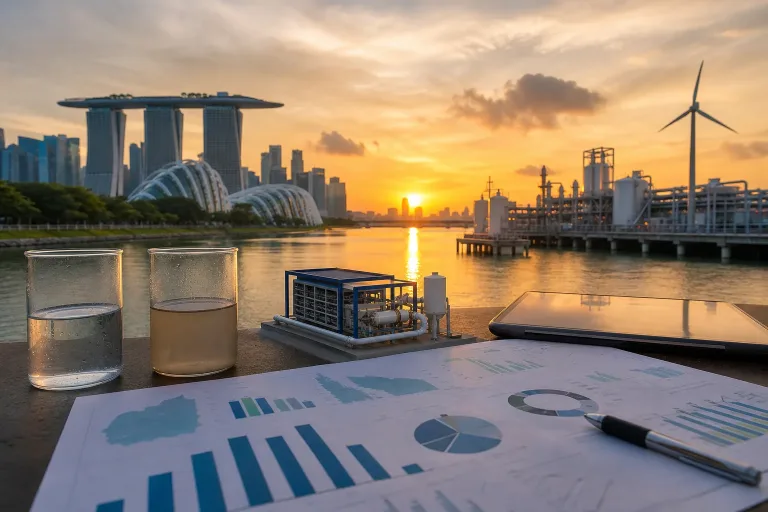
Understand why valuing salinity-gradient energy projects in Southeast Asia means combining electricity output with brine treatment costs and CO₂ mineralization benefits for sound investment decisions.
Discover the critical factors that determine successful energy recovery in Pressure-Retarded Osmosis and RED, including system integration, feed compatibility, and real-world performance beyond theoretical potential.
Discover how integrating Reverse Electrodialysis with seawater reverse osmosis enhances energy recovery, optimizes brine handling, and supports credible net-zero desalination.
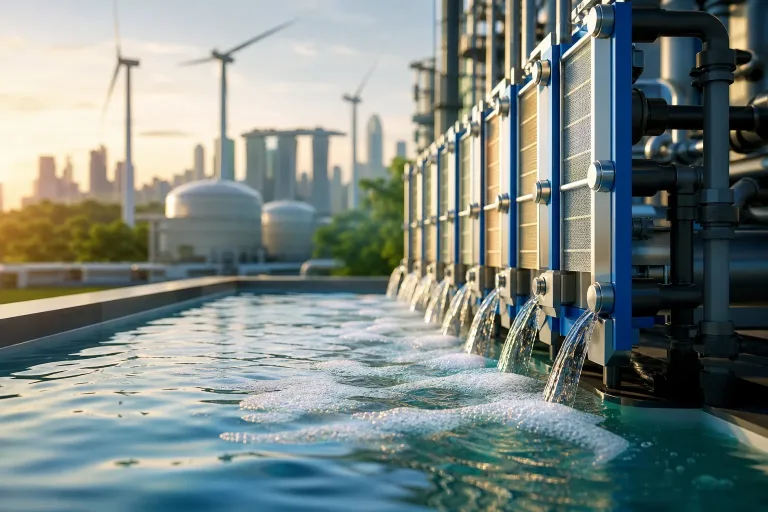
Discover how reverse electrodialysis converts salt concentration differences into usable power, optimizing brine disposal and resource recovery with practical site integration.
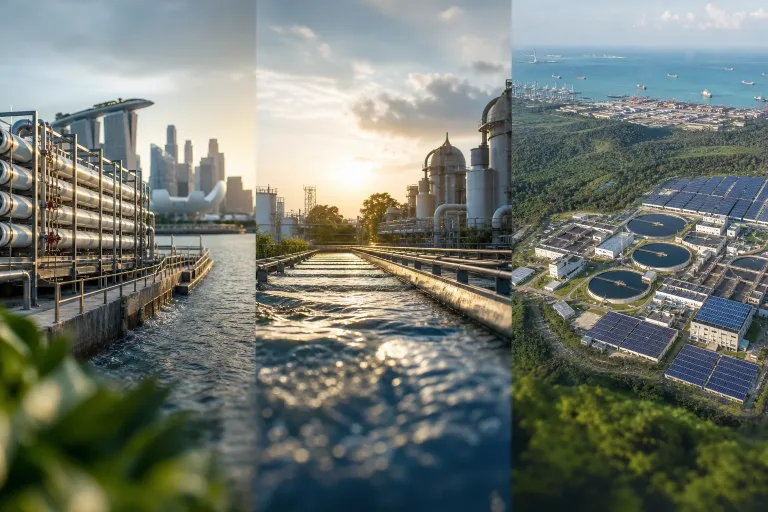
This article evaluates three practical approaches to harness salinity gradient power in Singapore, emphasizing feed compatibility, integration, and pilot testing for real-world feasibility.
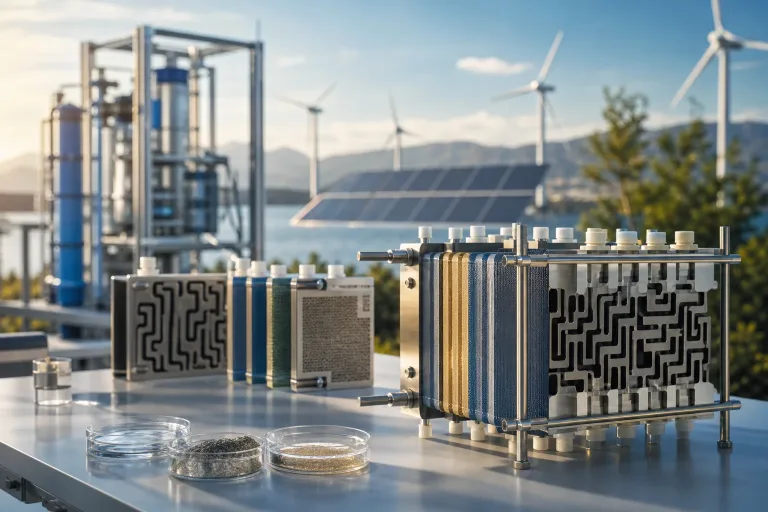
Explore how new reverse electrodialysis stack designs tackle scale-up limits and feed variability to sustain efficient electricity generation in large-scale plants.
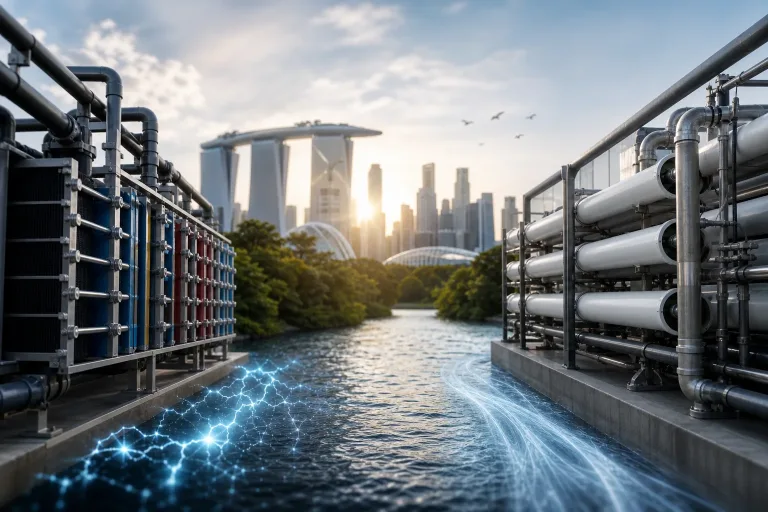
This article breaks down the key differences between reverse electrodialysis and pressure-retarded osmosis, focusing on feed requirements, plant integration, and energy performance to help determine the best fit for your desalination site.
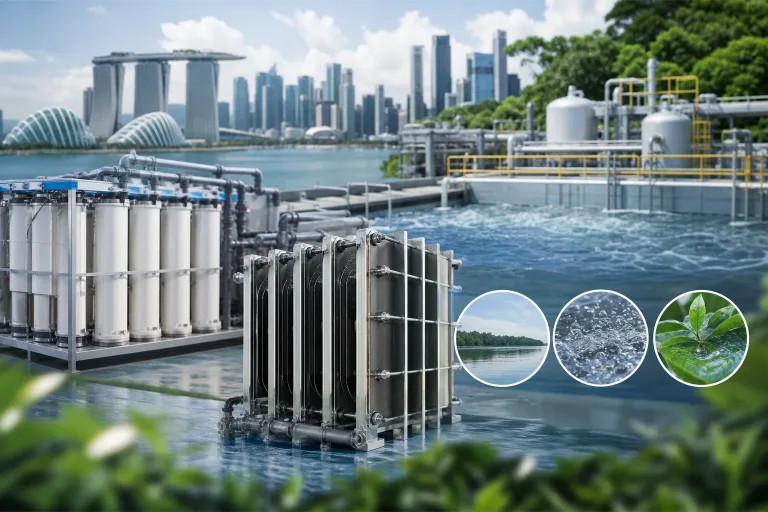
Explore three deployable salinity gradient energy technologies, focusing on practical integration, feed compatibility, and pilot readiness for sustainable energy projects.
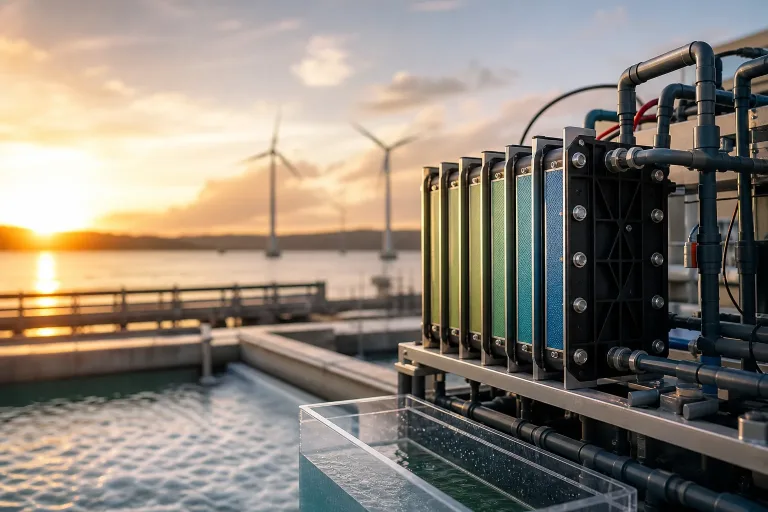
This guide explains how to design a reverse electrodialysis system by characterizing plant streams, matching chemistry, and setting pilot criteria to ensure reliable power output.



